February 9, 2026
In the realm of exterior painting, avoiding key mistakes is essential to ensure a durable and polished finish. Professional exterior painting contractors, with their expertise, prevent these pitfalls to deliver high-quality results. This article delves into the common mistakes shunned by seasoned exterior painting contractors, highlighting their impeccable standards and techniques. As the painting and wall covering contractors market is expected to grow to $276.33 billion in 2030 at a compound annual growth rate of 3.9%, according to The Business Research Company, understanding the complexities involved in exterior painting becomes crucial. The growth of this market further emphasizes the importance of innovative methods and the ability to deliver outstanding quality, which hinges on the avoidance of these common errors.
1. Poor Surface Preparation
Professional exterior painting contractors understand that thorough surface preparation is the foundation of a successful paint job. Cleaning the exterior surfaces removes accumulated dirt, dust, and grease, which can interfere with paint adhesion. This ensures the paint bonds well, providing a smooth and even finish that enhances aesthetic appeal. Contractors employ specialized cleaning solutions and power washing techniques to effectively cleanse the surface. By removing these contaminants, they set the stage for a paint job that not only looks impressive but also lasts longer.
Addressing surface imperfections is a crucial step that professional contractors take seriously. They meticulously inspect walls for cracks, holes, and other structural flaws that can affect paint adherence and appearance. Using specialized fillers and putty, contractors repair these imperfections to create a uniform surface. The attention to detail during this stage prevents paint from cracking or peeling over time, ensuring longevity and durability. Proper surface preparation and repair are essential in delivering a high-quality paint job.
Allowing adequate drying time between preparation steps is a fundamental practice in achieving optimal results. Insufficient drying can lead to moisture entrapment, adversely influencing paint adhesion and finish. Experienced contractors monitor weather conditions and humidity levels to determine the appropriate drying time. This foresight ensures the surface is completely dry before moving to the next stage, minimizing the risk of bubbles or peeling. Timely execution and patience in this step contribute to the robustness of the paint job.
2. Incorrect Paint Selection
Selecting paint suitable for exterior conditions is an area where expertise shines. Contractors consider factors like moisture resistance, durability, and UV protection to choose the best paint. High-quality exterior paints are formulated to withstand extreme temperatures and weather variations. By investing in suitable paints, contractors ensure that their work not only meets aesthetic expectations but also lasts longer. This attention to detail helps maintain client satisfaction while preserving construction quality.
The choice of paint finish plays a crucial role in the aesthetic outcome and maintenance of an exterior paint job. Understanding the differences between flat, satin, and gloss finishes helps in selecting the right one for the project. Contractors consider factors such as the surface type and desired aesthetic. Satin and gloss finishes, for instance, offer more durability and are often used in high-traffic areas. By selecting an appropriate finish, contractors enhance both the durability and visual appeal of their work.
The regional climate significantly influences paint selection, affecting its performance and longevity. Contractors understand that extreme temperatures, humidity, and UV exposure can degrade paint quickly if not addressed. By selecting paints formulated for specific climatic conditions, they ensure durability and resistance. This foresight preserves the aesthetic and structural integrity of the building exterior. Keeping regional climate conditions in mind is an integral part of effective paint selection.
3. Application Errors
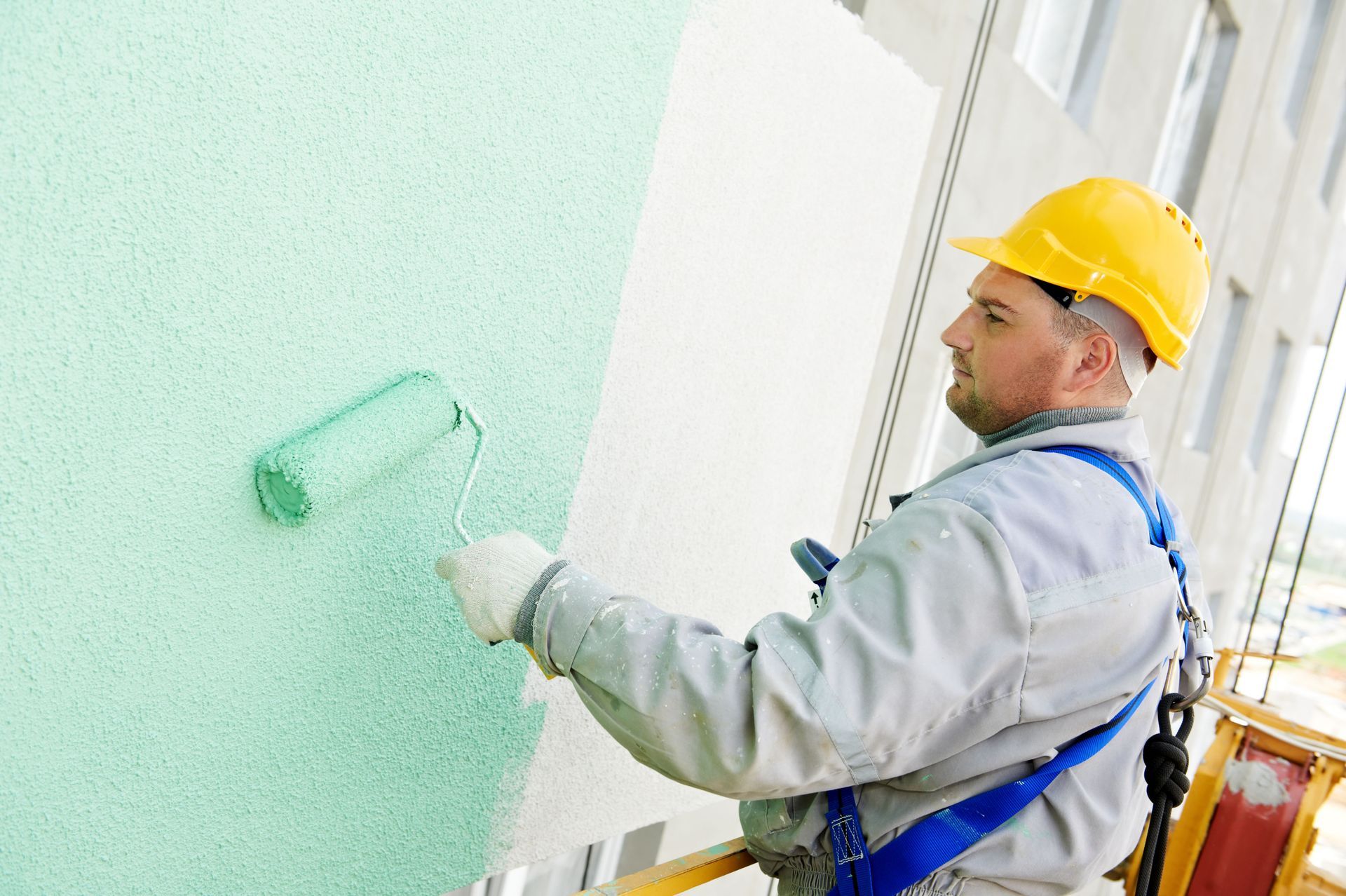
Correct application techniques are critical to achieving desired aesthetics and durability in exterior painting. Contractors employ various methods like brushing, rolling, or spraying based on the surface and project requirements. Mastery over these techniques ensures even paint coverage, eliminating streaks or blemishes. Proper technique also minimizes waste and maximizes efficiency, contributing to overall project success. Contractors' skill in application is reflected in the seamless beauty and durability of their work.
Consistent coverage is essential in achieving a uniform appearance and optimal protection. Contractors use high-quality tools and techniques to apply paint evenly across surfaces. This minimizes visible brush or roller marks, resulting in a superior finish. Consistent application also assures long-term protection from environmental factors. By focusing on uniform coverage, contractors maintain aesthetic continuity and integrity across structures.
Over-application of paint can result in issues like sagging, cracking, or peeling. Professional contractors avoid this by adhering to recommended application loads and drying times. Correct application also involves layering to achieve the desired finish without compromising quality. By balancing paint application, they ensure a smooth and durable coat. Awareness of potential over-application challenges helps maintain surface integrity and appearance.
4. Ignored Safety Measures
Safety equipment is essential to protect contractors during exterior painting projects. Contractors utilize gear like safety harnesses, helmets, goggles, and masks to prevent injuries or accidents. These precautions are vital when working at heights or with hazardous materials. By prioritizing safety, contractors demonstrate professionalism and care for their teams. The use of proper safety equipment minimizes risks and fosters a safe working environment.
A stable and secure working platform is crucial for safety and efficiency. Contractors ensure scaffolding and ladders are correctly installed to prevent accidents. Proper setup reduces the risk of falls and enables painters to focus on delivering quality results. This commitment to safety upholds industry standards and enhances project outcomes. Safe working platforms contribute to successful paint application and worker wellbeing.
Dealing with hazardous materials requires specialized knowledge and precautions. Contractors are trained in proper handling, usage, and disposal of such materials. This reduces environmental impact and safeguards health, aligning with legal and ethical standards. Comprehending the risks associated with hazardous materials emphasizes a contractor's professionalism and responsibility. The safe handling of dangerous substances is critical to safe and compliant project execution.
5. Inadequate Project Planning
Effective project planning begins with clear objectives and goals. Contractors establish detailed timelines and budgets to ensure successful execution. Well-defined objectives aid in anticipating potential challenges and adapting plans accordingly. By aligning client expectations and project scope, contractors maintain transparency and accountability. Defining clear objectives sets the foundation for delivering high-quality and timely outcomes.
Accurate cost estimation is crucial for project feasibility and financial management. Contractors assess materials, labor, and other expenses to provide precise budgets. This foresight helps prevent financial overruns and ensures project viability. By managing costs effectively, contractors maintain profitability while delivering quality. Accurate cost estimation reflects contractors' business acumen and commitment to client satisfaction.
Careful scheduling is essential in adhering to timelines and avoiding project delays. Contractors account for contingencies like weather or resource availability in their plans. This ensures a smooth workflow and consistent project progress, minimizing disruptions. By keeping projects on track, contractors enhance client satisfaction and maintain their reputation. Effective scheduling is critical for the successful delivery of exterior painting projects.
The avoidance of these common mistakes not only enhances the quality of an exterior paint job but also exemplifies the expertise and professionalism of seasoned painting contractors. By focusing on proper preparation, accurate material selection, and effective communication, exterior painting contractors ensure exceptional and lasting results, maintaining client satisfaction and trust. Through dedication to excellence, they achieve durable, eye-catching, and sustainable exteriors. For an exterior painting contractor you can count on, contact Flamingo Painting LLC today.